français
 English
 العربية
Guangzhou Rosin Packaging Co., Ltd



With the implementation of global dual carbon policies and the continuous upgrading of plastic restriction regulations, the new PPWR regulations of the European Union, the ban on agricultural plastics in California, and the comprehensive implementation of domestic agricultural plastic pollution control policies, traditional PET and PS plastic seedling trays are facing the dual dilemma of export restrictions and usage restrictions, gradually withdrawing from the global horticultural seedling market.
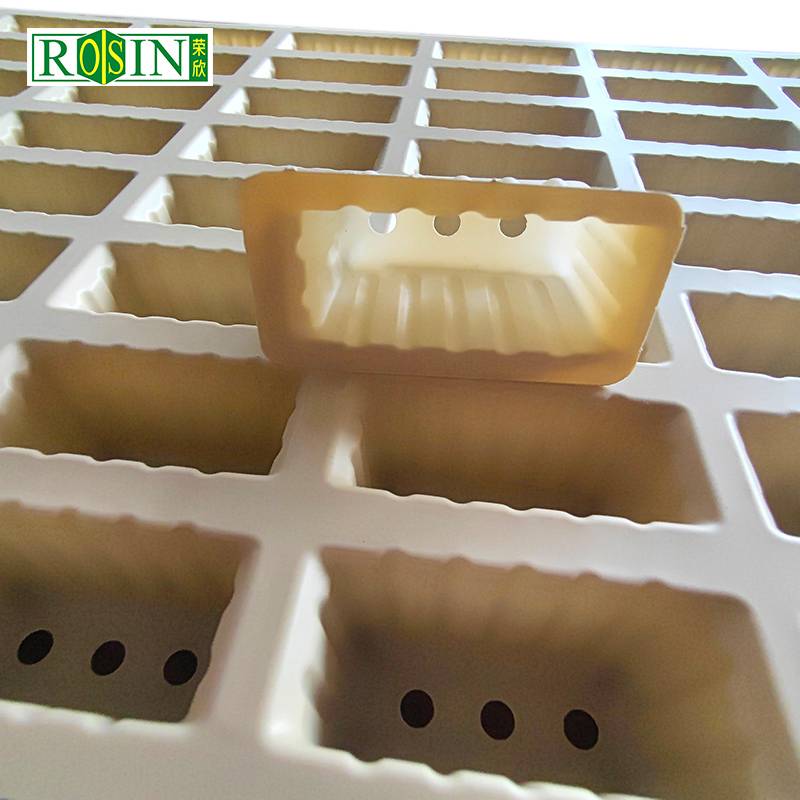
At present, many horticultural foreign trade enterprises are facing the problems of plastic pallet customs clearance being detained and order loss; Large scale hydroponic bases and greenhouse farms are plagued by problems such as waste tray accumulation, high cost of manual seedling removal, and substandard organic planting certification. The industry urgently needs compliant and environmentally friendly seedling consumables that can completely replace PET.
In response to the core pain points of the industry, Guangzhou Rosinpack Source Factory has launched a new intelligent production line for modified corn starch fully biodegradable trays. Relying on its own mature PET mold system, it achieves 1:1 replica mass production of all types of seedling trays, without the need for customers to modify equipment or open new molds. It combines the stability of plastic trays with the environmental protection properties of plant based materials, providing a compliant, cost reducing, and efficient one-stop plastic reduction solution for domestic and foreign horticultural seedling and hydroponic planting industries.
Industry Trend: PET Seedling Tray Accelerates Elimination, Plant based Consumables Become Mainstream
PET plastic trays have been widely used in greenhouse seedling cultivation, hydroponic micro greening, flower cutting and other scenarios due to their flat, durable and cost-effective characteristics. However, driven by the dual effects of global plastic restriction policies and the upgrading of green agriculture, the shortcomings of traditional PET pallets have become increasingly prominent and are no longer suitable for industry compliance and low carbon development needs
Weak brand competitiveness: Not in line with the global trend of green and low-carbon consumption, unable to adapt to the brand positioning of high-end horticulture and ecological planting.
In this context, modified corn starch plant seedling trays have become the mature and optimal solution to replace traditional PET plastic trays with their three core advantages of compliance, practicality, and environmental friendliness, and are also the mainstream trend of green transformation in the current horticultural seedling industry.
Product core advantage: Breaking through the shortcomings of the ordinary degradable tray industry
Ordinary corn starch degradation trays on the market generally have defects such as poor water resistance, softening and deformation when exposed to water, insufficient flatness, inability to adapt to mechanized operations, and short seedling growth cycles, making it difficult to meet the needs of large-scale planting. Rosinpack has been deeply involved in the production of vacuum formed horticultural consumables for more than ten years. With mature PET mold technology and self developed upgraded modified starch formula, it completely solves common problems in the industry and achieves performance benchmarking against traditional plastic pallets.
1. 1:1 replica PET size, zero cost equipment adaptation and replacement
The factory is suitable for mass production of all categories, covering mainstream specifications such as 1020 hydroponic flat trays, 18 grid split hole trays, and micro green seedling trays. All product sizes, hole positions, flatness, and stacking heights are completely consistent with traditional PET trays. The customer's original seedling shelves, constant temperature heating pads, automatic seeders, and transfer equipment do not require any modification and can be seamlessly replaced without any modification costs or adaptation risks.
2. Self developed water-resistant modified formula, suitable for full cycle seedling cultivation
Selecting food grade non genetically modified corn starch combined with natural plant fiber modification technology, abandoning the market's cheap low-end starch formula, greatly improving the product's water resistance and structural strength:
Suitable for both hydroponic and soil cultivation scenarios, with a stable lifespan of up to 30-60 days
Stable structure, does not soften when soaked in water, does not deform when load-bearing, supports stacking and storage, and mechanized sowing operations
Perfectly cover the complete seedling cycle of various crops such as micro green sprouts, fruits, flowers, seedlings, etc
3. All bio compostable, no residue can be directly returned to the field
The product is made of pure plant-based biodegradable materials, without the addition of petrochemical plastics. After disposal, it can be completely degraded into natural organic matter in natural soil and industrial composting environments within 6-12 months, with zero microplastic residue and zero white pollution. When transplanting seedlings, the tray can be directly buried in soil without the need for manual removal, effectively avoiding root damage and decay, improving the survival rate of seedlings, and greatly saving the operating costs of manual removal and waste tray cleaning.
4. Full set of international certifications, compliant throughout the entire process of foreign trade exports
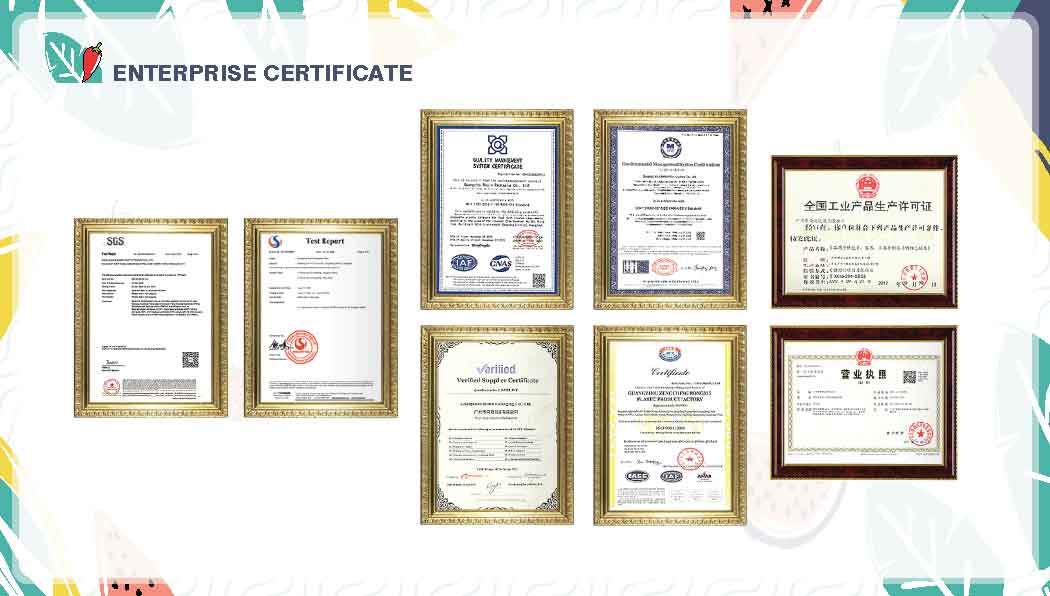
The factory's mass-produced corn starch seedling trays have all passed OK Compost (EN13432 EU composting certification), FDA food contact safety certification, ROHS environmental certification, and a complete set of qualification reports. They are fully compatible with the import standards of mainstream global markets such as the EU, the United States, Southeast Asia, and Australia, completely solving the problem of restricted export and customs clearance of traditional PET plastic trays.
5. Guangzhou origin factory, customized flexible production capacity stable
As a local one stop horticultural consumables manufacturer in Guangzhou, we have our own independent mold research and development, raw material modification, fully automatic molding, and finished product testing workshops, with no middleman markup. Support full dimensional customization services such as size modification, aperture customization, hole/no hole switching, exclusive color matching, logo screen printing, and export neutral packaging. Adequate mass production capacity, quick stock out, stable production and delivery of large orders, balancing the sample needs of small and medium-sized customers with the bulk procurement needs of large customers.